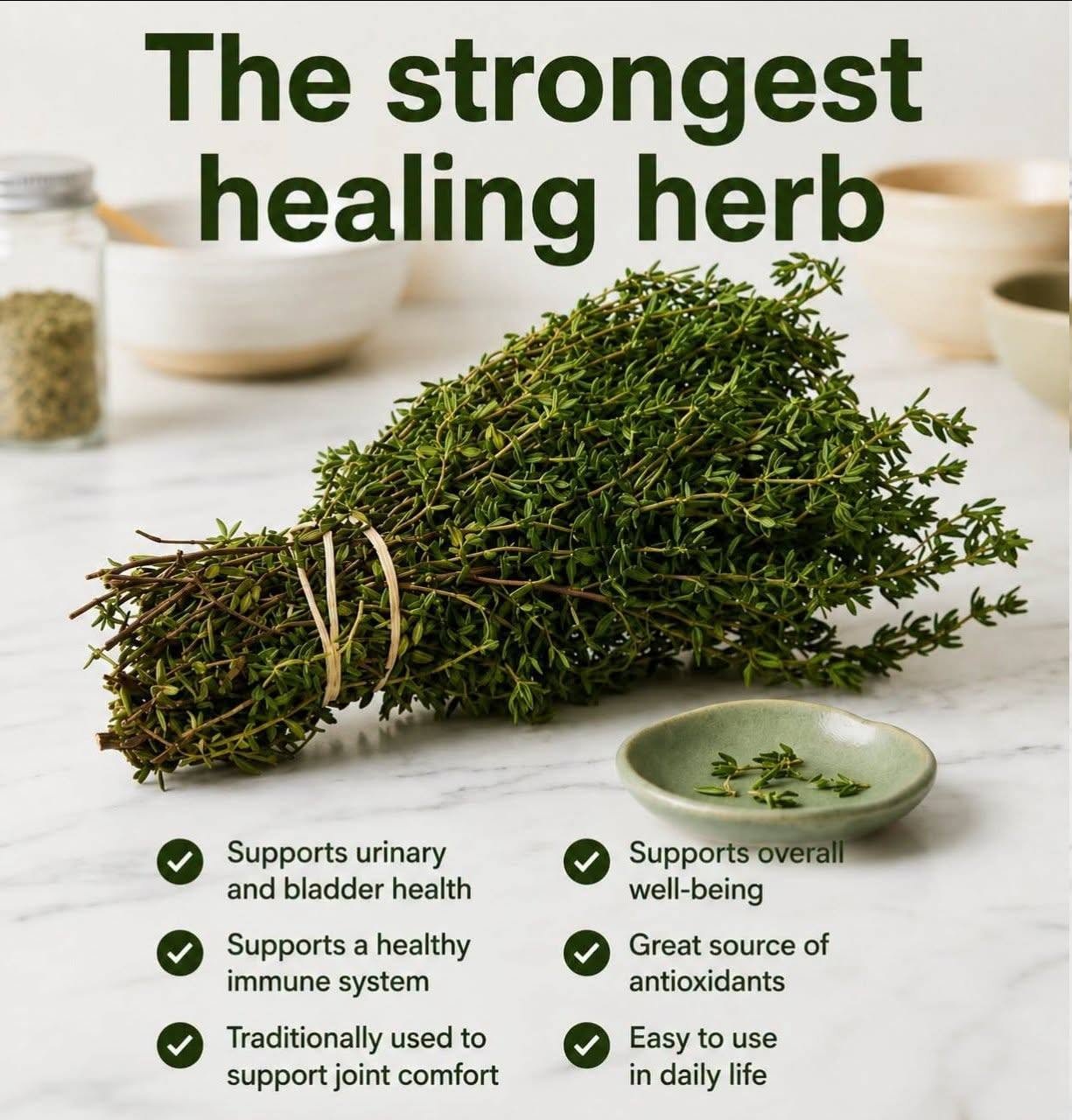
Instead of only attacking bacteria after they’ve settled in, oregano oil may help stop them from getting there in the first place.
Even more interesting? Some research suggests it works alongside antibiotics, enhancing their effect. Not replacing them—just supporting
And honestly, that kind of synergy is where natural remedies tend to shine best.
The “other benefits” section (that isn’t just filler)
Oregano oil doesn’t stop at parasites or UTIs.
It’s one of those broad-spectrum botanicals that keeps showing up across different areas of research:
Antibacterial: Effective against both Gram-positive and Gram-negative bacteria
Antifungal: Commonly used for issues like Candida overgrowth
Anti-inflammatory: Helpful in calming chronic, low-grade inflammation
Antioxidant: Neutralizes free radicals, which—yes—still matter more than people think
There was even a study exploring its effect on skin lesions caused by Leishmania parasites in mice. Early-stage, sure—but still notable.
Now, is it a cure-all? No. That’s where people go wrong.
But is it versatile? Absolutely.
Okay, but how do you actually use it?
This is where things get real—and where people tend to make mistakes.
Oregano oil is potent. Not “a little strong,” but genuinely intense.
Common forms you’ll see:
Capsules (oil of oregano): Pre-diluted, standardized
Essential oil: Highly concentrated (handle with care)
Tea: Much milder, more traditional
A few grounded guidelines:
Always dilute essential oil before using it on skin
Avoid taking pure essential oil internally unless properly formulated
Stick to moderate doses—more isn’t better here
A small human study used 200 mg daily for six weeks, which gives at least a rough reference point.
And honestly? If something burns, stings, or feels aggressive—it probably is. Adjust.
Let’s not ignore the limitations
Here’s the part that often gets skipped.
Most oregano oil research is still in lab or animal stages. Human trials? Limited.
That doesn’t mean it doesn’t work—it just means we don’t have full clarity on dosing, long-term effects, or standardization.
And that last point matters more than it sounds.
Not all oregano oil is equal. Some products contain high levels of carvacrol. Others barely register. Growing conditions, extraction methods, even plant species—it all changes the final product.
So yes, quality matters. A lot.
The bottom line (no drama, just clarity)
Oregano oil sits in an interesting space.
It’s not just folklore—but it’s not a miracle solution either.
What we do know:
It has real antimicrobial and antiparasitic activity
It may support urinary tract health in a meaningful way
It works best as a complementary tool, not a replacement for medical care
Used carefully, it can absolutely earn its place in a natural health routine.
Used carelessly… well, that’s where problems start.
One last thing
If you’ve made it this far, you’re probably at least a little curious—or maybe you’ve already tried oregano oil yourself.
So I’ll ask you this:
Did it work for you?
Sometimes the most useful insights don’t come from studies—they come from real experiences, the kind you only get by trying something and paying attention.
If you’ve got a story, I’d genuinely like to hear it.
For Complete Cooking STEPS Please Head On Over To Next Page Or Open button (>)